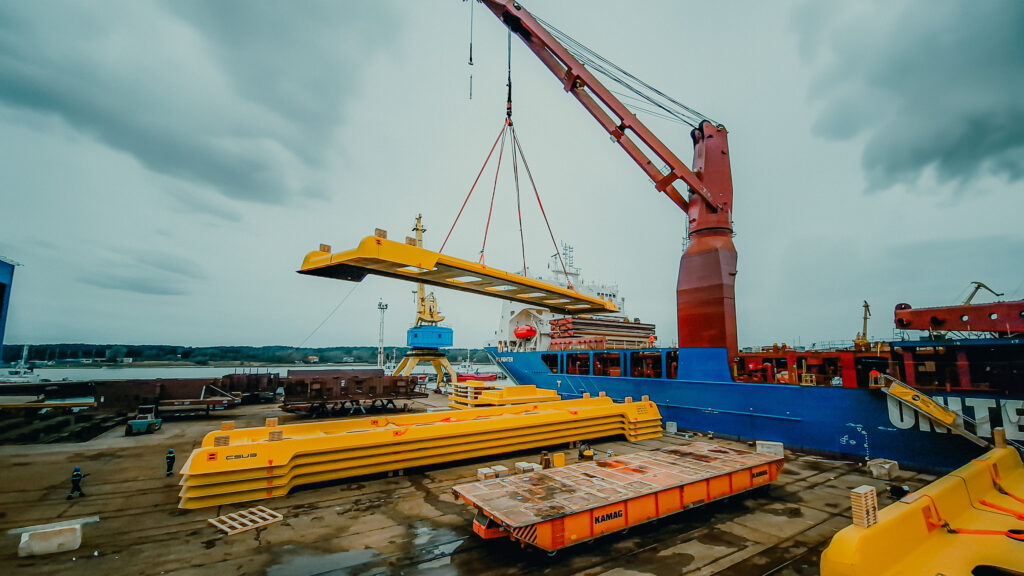
With decades of experience, CSUB stands as a global leader in offering certified composite subsea structures for the energy industry. Our lightweight, non-metallic composite structures are designed to reduce offshore installation cost, eliminate corrosion-related maintenance and deliver reliable long-term performance in demanding subsea environments. Read more about us
GRP Subsea Structures Designed to Reduce Installation Cost and Eliminate Corrosion




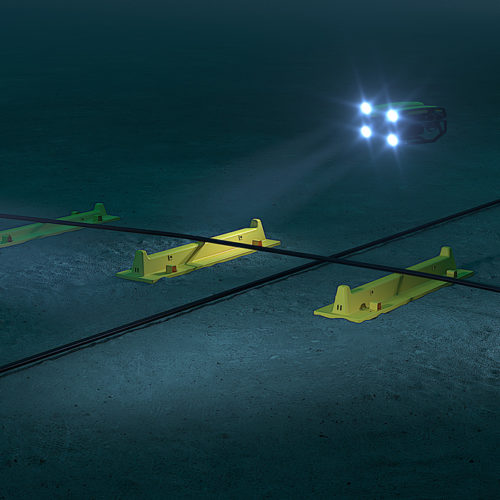
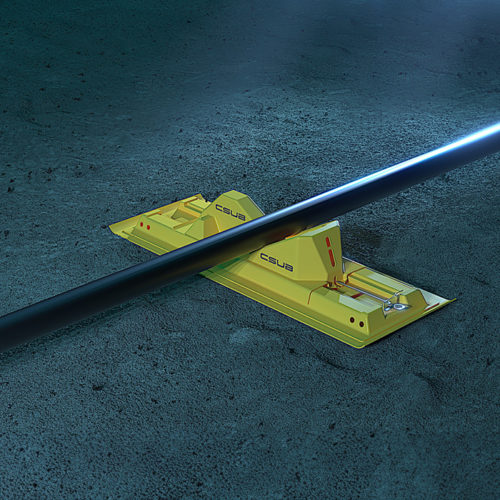
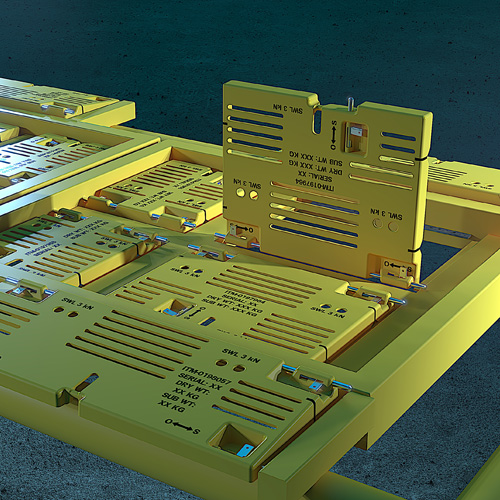
SUBSEA SUPPORT STRUCTURES
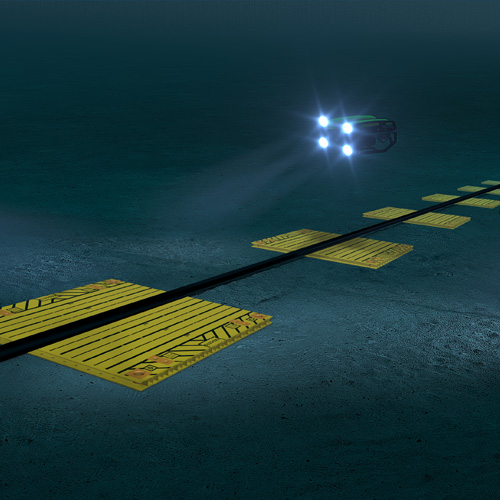
SUBSEA PROTECTION SYSTEMS
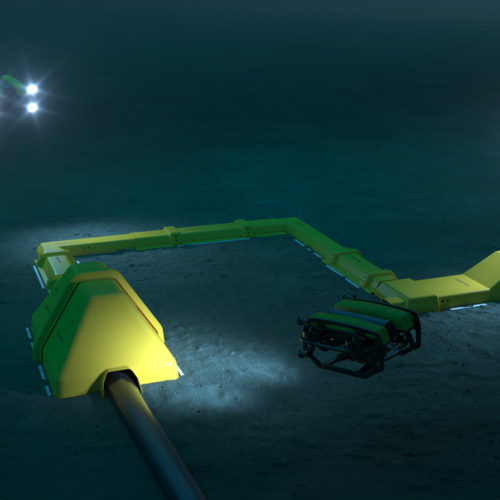
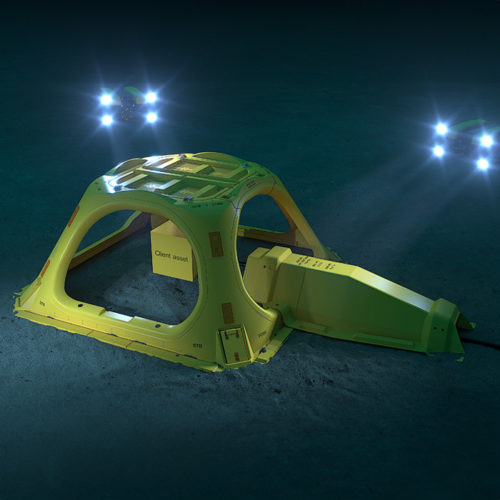
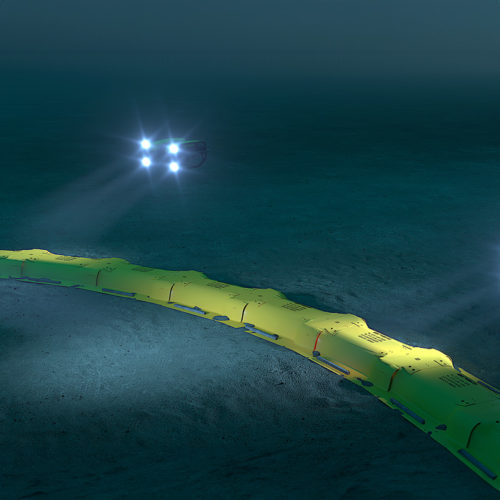
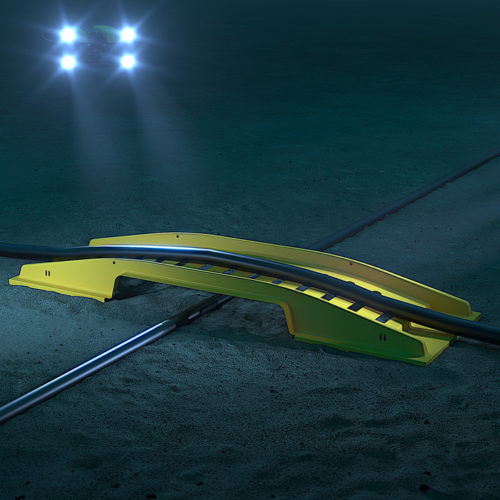
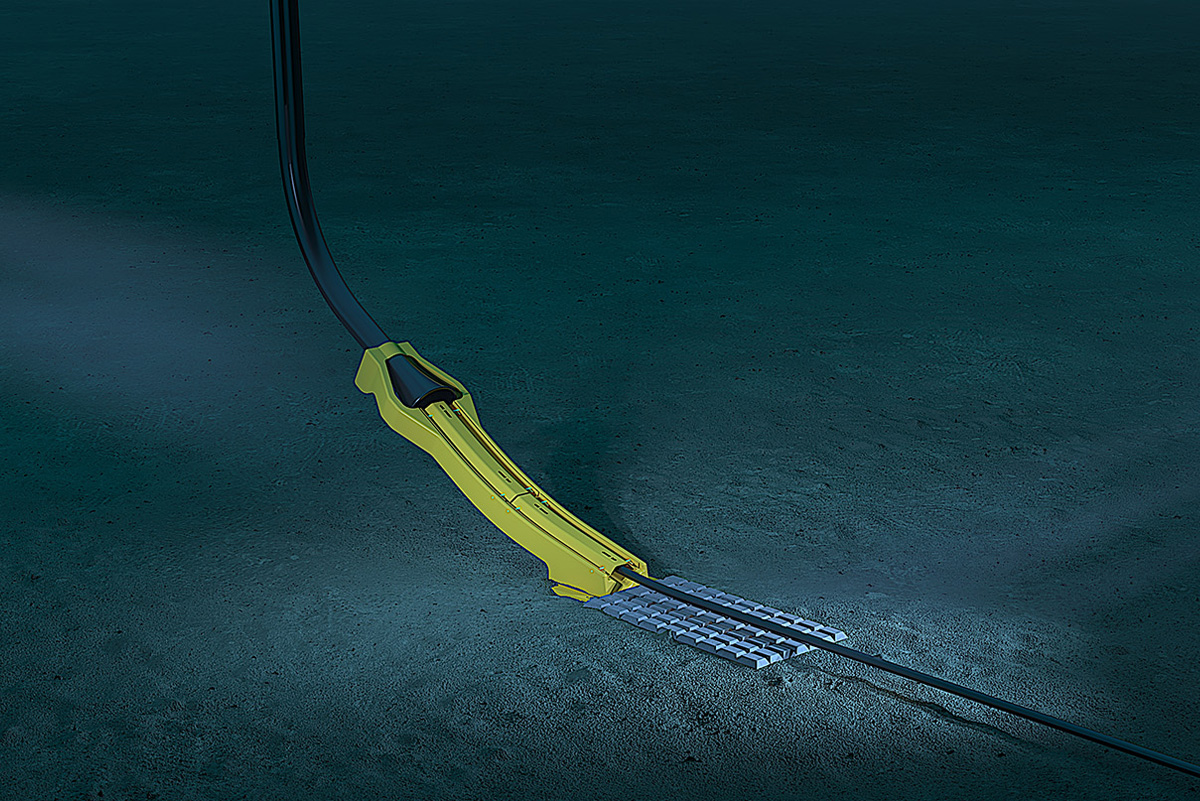
J-Tube Ramp for Cable Protection and Support
CSUB’s GRP J-Tube Ramp is designed to support and protect cables and flexibles at the interface with offshore structures. The lightweight GRP design helps simplify handling and installation while providing controlled cable support at the J-tube transition, including applications in offshore wind turbines, offshore substations and other cable-critical offshore assets.
ENGINEERING FOR CERTIFIED GRP SUBSEA STRUCTURES
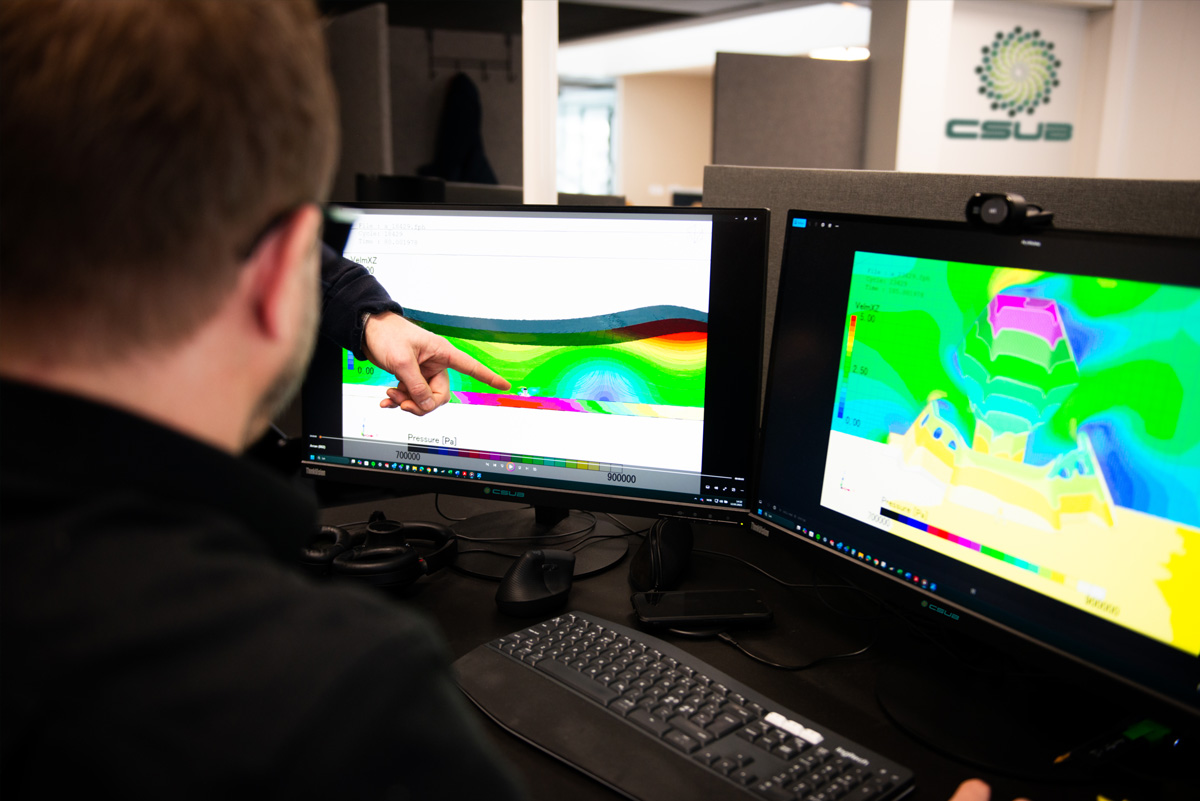
CSUB combines specialized subsea engineering with extensive Glass Fibre Reinforced Polyester (GRP) expertise to develop structures for demanding offshore applications. Our engineering team supports customers with design, structural analysis, qualification and documentation, helping improve installation efficiency and ensure compliance with relevant project and industry requirements.
Trusted by Leading FEED companies, Installation Contractors and Operators

“The processing of an initial design into an actual GRP structure follows a number of iterations between CSUB’s- and our engineers. As far as I can see, that goes well, and, together with reasonable price and timely delivery, CSUB is a preferred supplier for us.”
“With GRP or other non-metallic products, many supports can be lifted and installed using smaller diving support vessels with capacities around 50-100 tons. For heavier steel components, you would need bigger vessels with bigger cranes, which cost more on a day-rate basis.”
“Our clients – Qatar LNG, NOC, ADNOC and Saudi Aramco – have increasingly recognized the benefits of non-metallic products. In several tenders, bidders are now expected to offer GRP or other non-metallic supports alongside steel.”
“The main driver to use CSUB’s structures is ease of installation – its far lighter than steel, so the handling is more easy and also the better design life.”
“The strength of GRP is superior to steel. For our applications specifically we don’t even consider concrete.”
“I would say cost drives GRP over steel – for us GRP is cheaper also in terms of transportation, steel isn’t stackable so it need more trips to transport.”
“CSUB’s structures are maintenance free and will only be decommissioned at the end of life, whereas with steel you need to monitor the corrosion, so it’s more cost effective to have GRP because you don’t have to check for corrosion.”
“We have very good relationship with CSUB we talk to them almost every day. They also offer good support, for example we had two fast track projects that they were very quick to engage in.”
“I would give their innovation a 5 out of 5. They are very good. We did some work a couple of years back with them where they designed something that was first of its kind and has now been adopted by a number of contractors.”
“As a final remark, I’m very happy with the cooperation I’ve had with CSUB over the years, both in Norway and Lithuania. They’ve been very open minded and provided good service, which I have appreciated. It’s easy for me to pick up the phone and call them.”
“Firstly, you can stack them, which means you have less ships and secondly, you can use a lower grade vessel because they’re not as heavy. You can use a smaller vessel, and you can use a vessel with a lower rated crane – which will be cheaper or more readily available.”
“We have teams that look for opportunities to embed new products. One example is our collaboration with CSUB on GRP bridges for subsea supports, showing how innovation can complement conventional steel solutions.”
“Also, if we wanted to extend the lifetime of a field then we would have to install more anodes to steel structures whereas with GRP you can just continue.”